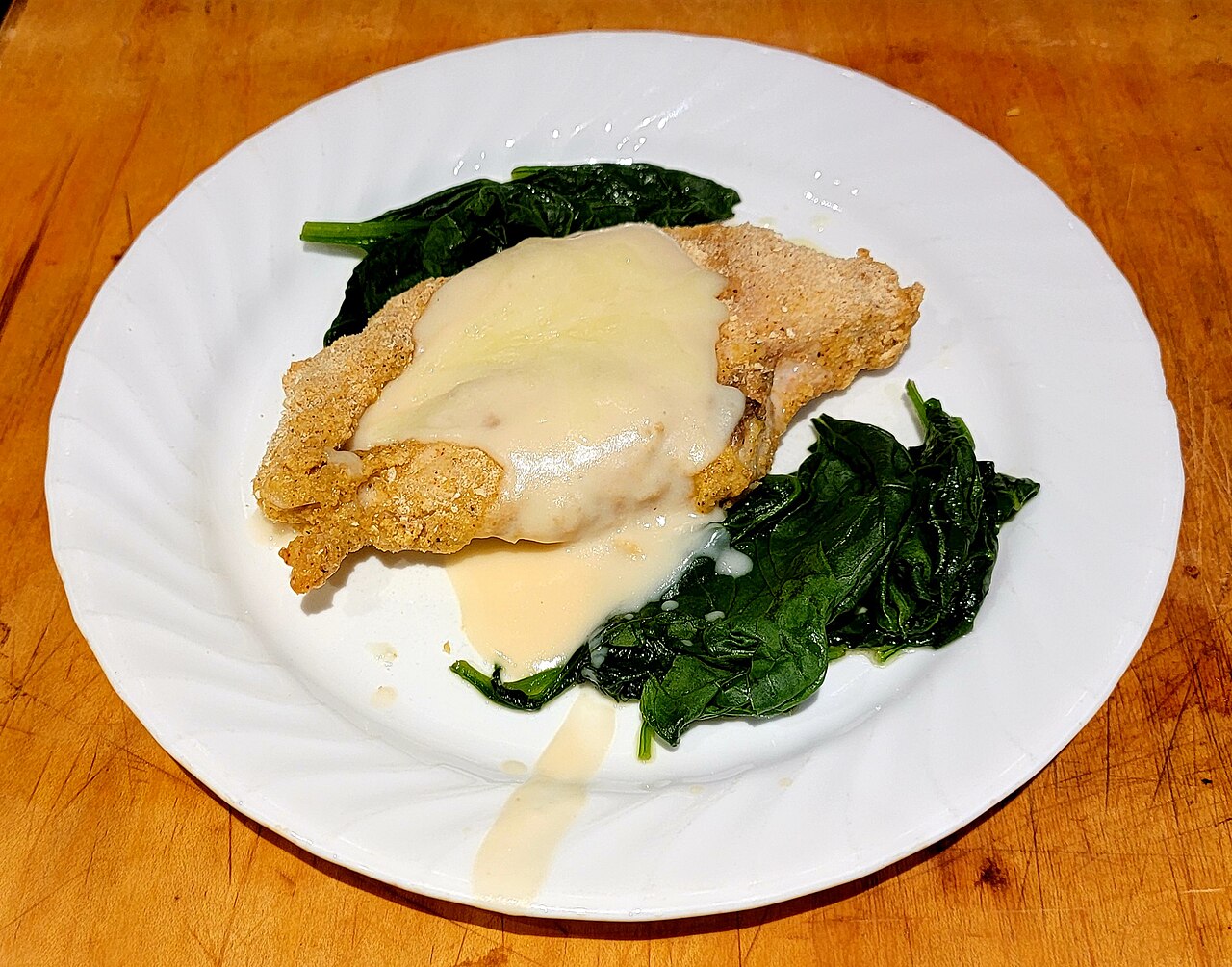
Chicken Florentine: A Culinary Journey from Renaissance Royalty to Your Dinner Table
Few dishes effortlessly bridge the gap between historical elegance and modern convenience quite like Chicken Florentine. This beloved meal, featuring perfectly seared chicken breasts bathed in a rich, creamy spinach sauce, offers a tantalizing blend of savory flavors and satisfying textures. It's a dish that feels special enough for a celebratory dinner yet remains accessible for a weeknight meal, proving that culinary sophistication doesn't have to be complicated. But beyond its undeniable deliciousness, the story of Chicken Florentine whispers of Renaissance courts, influential queens, and the enduring power of culinary tradition.
The Florentine Connection: Tracing Back to Catherine de Medici
The very name "Florentine" hints at the dish's historical roots, pointing directly to Florence, Italy – the heart of the Renaissance. The most popular origin story for "Florentine-style" dishes, particularly those featuring spinach, is often attributed to the formidable Catherine de Medici. Born into the powerful Medici family of Florence in 1519, Catherine married King Henry II of France in 1533 and later became queen consort. When she moved to France, she reportedly brought a retinue of Florentine chefs and her own sophisticated culinary tastes, profoundly influencing French cuisine.
Legend has it that Catherine was particularly fond of spinach, a vegetable often used in Italian cooking. To satisfy her palate, her chefs prepared dishes "à la Florentine", meaning "in the style of Florence," which typically involved a protein served alongside or on a bed of spinach. While the exact recipe for what we now know as Chicken Florentine wasn't codified in the 16th century, the core concept – a protein paired with spinach and often a rich, creamy sauce – certainly owes a debt to this influential queen. This historical anecdote underscores the power of cultural exchange, with Italian culinary traditions leaving an indelible mark on French gastronomy and, eventually, on the global culinary landscape.
From Royal Tables to Modern Kitchens: The Evolution of Chicken Florentine
While Catherine de Medici may have popularized the "Florentine style," the specific combination of chicken, spinach, and a creamy sauce evolved over centuries into the dish we cherish today. Initially, "Florentine" could have referred to various proteins – veal, fish, or eggs – prepared with spinach and a béchamel-based sauce, often enriched with cheese to become a Mornay sauce. The transition to boneless chicken breasts, a versatile and relatively quick-cooking protein, likely occurred as home cooking became more streamlined and practical in the 20th century.
The modern appeal of Chicken Florentine lies in its elegant simplicity. It captures the essence of indulgence and comfort, reminiscent of those "special occasion" meals, but without requiring hours in the kitchen. The one-skillet preparation, as highlighted in many contemporary recipes, is a testament to its evolution into a truly weeknight-friendly dish. This adaptability demonstrates how culinary traditions can be preserved and updated to fit modern lifestyles while retaining their core deliciousness.
Crafting the Perfect Chicken Florentine: Key Ingredients and Techniques
At its heart, a great Chicken Florentine is a symphony of simple, high-quality ingredients transformed by thoughtful technique. Understanding these elements is key to recreating its magic in your own kitchen.
- The Chicken: Boneless, skinless chicken breasts are the star. Dredging them lightly in flour before searing creates a beautiful golden crust, locking in moisture and adding a textural contrast to the creamy sauce. The trick is to achieve a good sear without overcooking, keeping the chicken tender and juicy.
- The Sauce: This is where the dish truly shines. A rich, buttery white wine sauce is the foundation. Shallots and garlic provide aromatic depth, while a dry white wine deglazes the pan, capturing all those delicious browned bits from the chicken. Cream, often heavy whipping cream, is then added and reduced to achieve a luscious consistency. Some modern recipes, like those found on NYT Cooking, use a "secret ingredient" – a touch of cream cheese – to add extra richness and help thicken the sauce beautifully. This ensures the sauce "nicely coats the wilted spinach" and every piece of chicken. Learn more about perfecting your Florentine sauce here.
- The Spinach: Indispensable to any "Florentine" dish. Frozen cut-leaf spinach, thawed and thoroughly drained, is a convenient option. Fresh spinach can also be used, wilted down in butter. The key is to remove excess moisture to prevent a watery sauce. While spinach is traditional, the beauty of modern Chicken Florentine is its flexibility; sun-dried tomatoes, sautéed mushrooms, or canned artichokes can be added or substituted for a twist.
- Herbs & Seasoning: Fresh Italian parsley adds a pop of color and herbaceous freshness at the end, while salt and freshly ground black pepper are crucial for seasoning at every stage.
The one-skillet approach is a game-changer for convenience. By searing the chicken and then building the sauce in the same pan, you infuse the sauce with all the savory flavors left behind by the chicken, deepening the overall taste profile. This streamlined process makes Chicken Florentine an ideal candidate for busy weeknights.
Serving Suggestions: Completing Your Florentine Experience
A well-prepared Chicken Florentine is substantial on its own, but pairing it with the right side dishes elevates the meal. Recipe tasters often recommend creamy mashed potatoes, which are perfect for soaking up every last bit of that indulgent sauce. Roasted potatoes are another excellent choice for a heartier meal.
For those who prefer a pasta dish, serving Chicken Florentine over a bed of al dente pasta provides a comforting and filling option. And, perhaps most importantly, no Florentine meal is complete without a generous amount of crusty bread. It's not just a side; it's an essential tool for ensuring not a single drop of that delectable sauce goes to waste.
For balance, consider a light, crisp green salad with a vinaigrette dressing to cut through the richness of the main dish. This creates a well-rounded and deeply satisfying dining experience.
Why Chicken Florentine Endures: A Dish for Every Occasion
From its alleged origins in the lavish courts of 16th-century France, influenced by a queen's taste for Florentine cuisine, to its status as a beloved modern dinner, Chicken Florentine has demonstrated remarkable staying power. It embodies a perfect harmony of historical charm, culinary sophistication, and practical convenience.
Whether you're looking for a comforting meal after a long day or a dish elegant enough to impress guests, Chicken Florentine rises to the occasion. Its rich flavors, adaptable nature, and the fascinating history woven into its name ensure that this creamy, spinach-laden chicken dish will continue to be a cherished favorite for generations to come. It truly is a taste of history served up on a modern plate.
